


Lead Abatement FAQs
What is lead abatement?
Lead abatement is the process of safely reducing or eliminating lead-based paint hazards in a home, commercial building, or industrial property. It is often needed when lead materials are damaged, deteriorating, or likely to be disturbed during renovation or demolition.
Where is lead commonly found in older buildings?
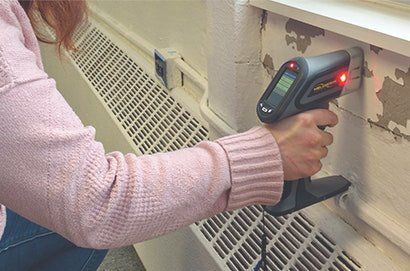
Lead is most commonly found in old paint, especially in homes and buildings built before 1978. It may also be found on windows, doors, trim, railings, walls, ceilings, exterior siding, and other painted surfaces.
Why is lead exposure dangerous?
Lead exposure can create serious health risks, especially for children, pregnant women, and pets. Lead dust or paint chips can be harmful if inhaled or swallowed, which is why damaged or disturbed lead-based paint should be handled carefully.
When is lead abatement necessary?
Lead abatement may be necessary when lead-based paint is peeling, chipping, cracking, or located in an area where it could be disturbed. It may also be required before certain renovation, repair, or demolition projects.
Why should lead abatement be handled by professionals?
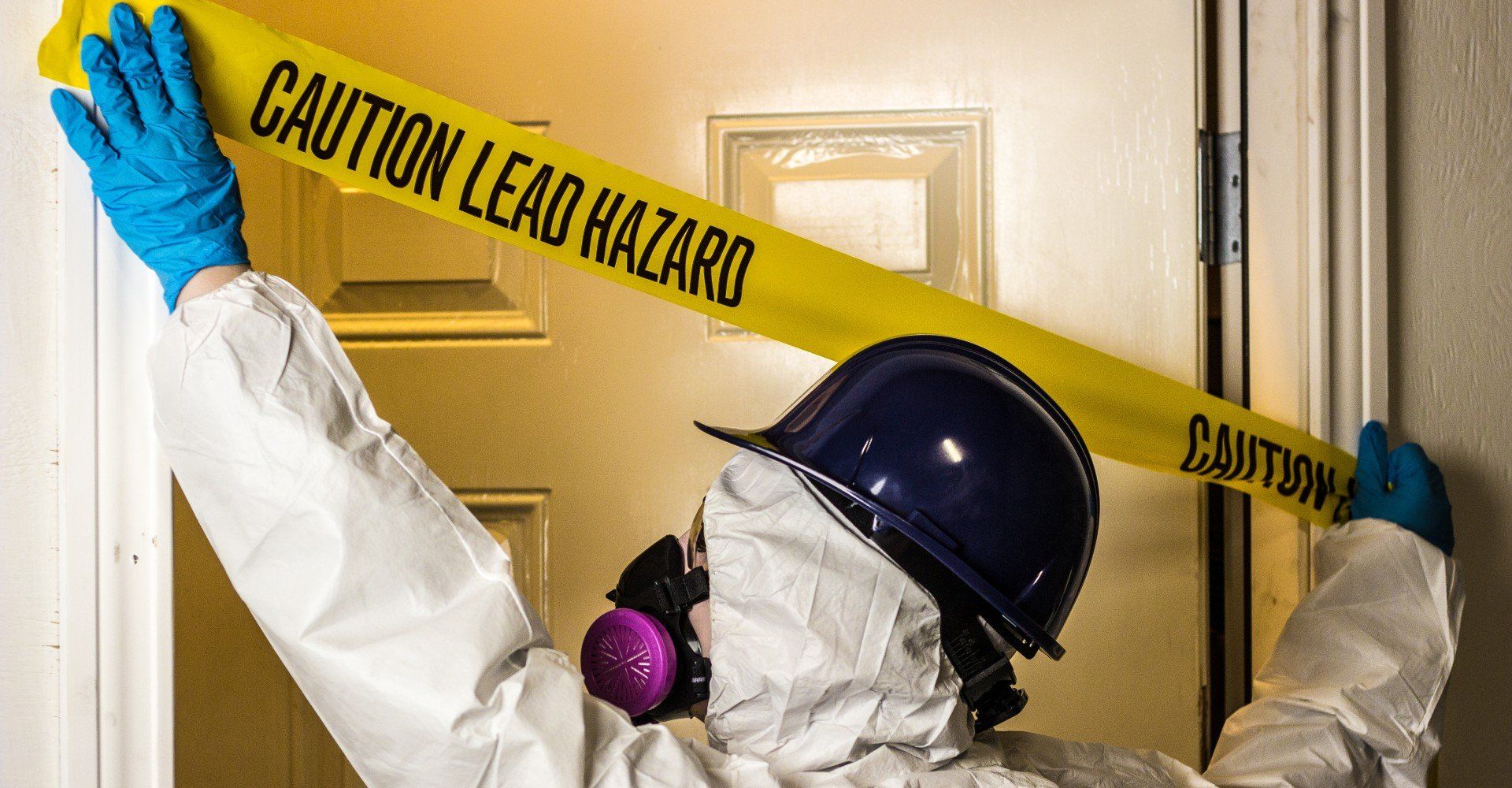
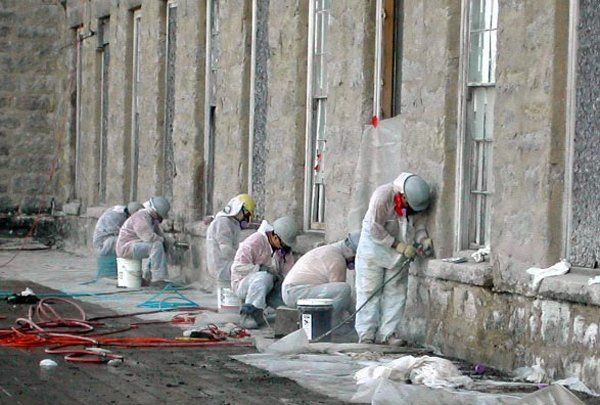
Professional lead abatement helps reduce the risk of lead dust spreading throughout the property. Trained crews use proper containment, safety equipment, removal methods, and cleanup procedures to protect the building and the people inside.